













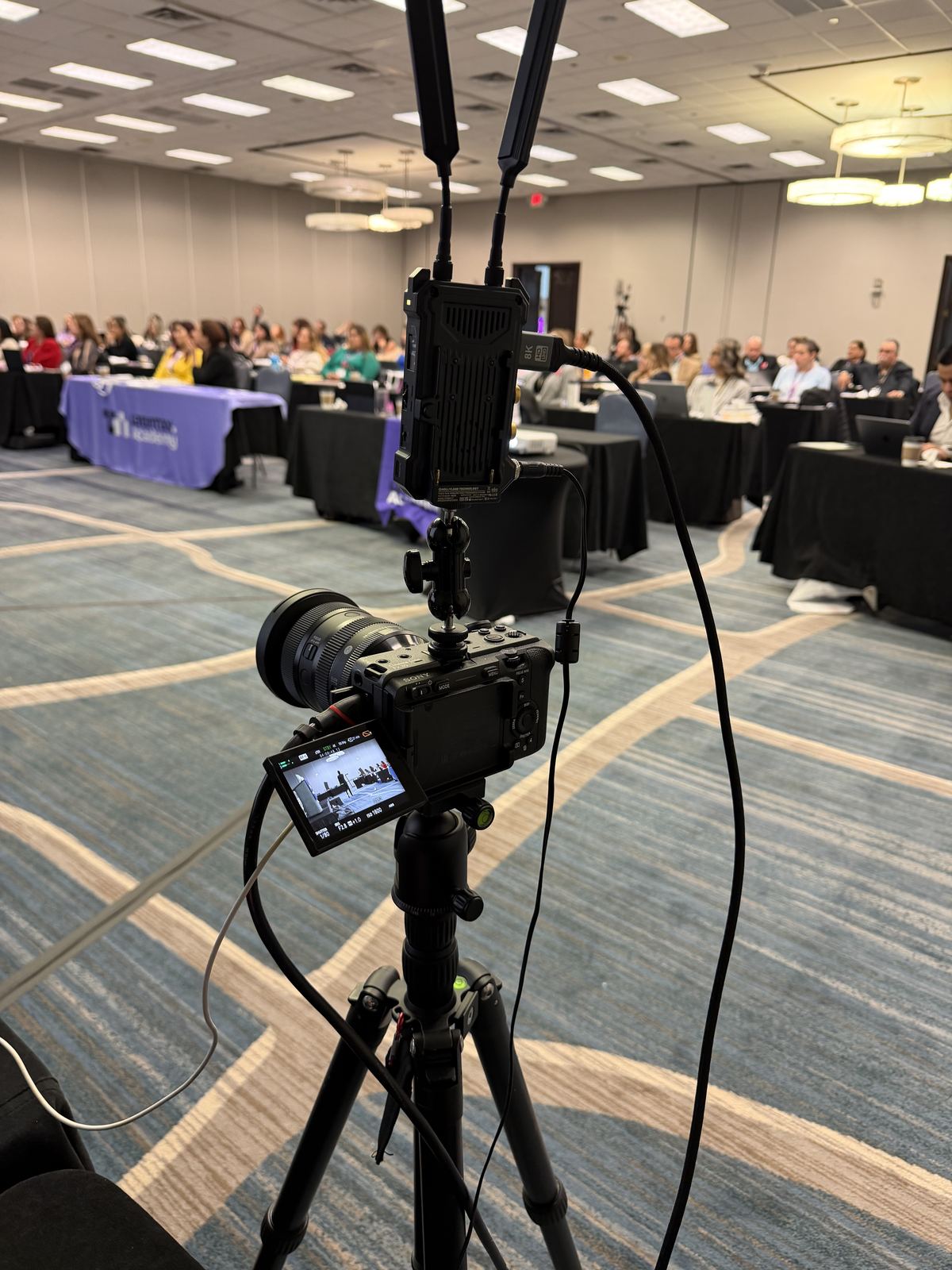
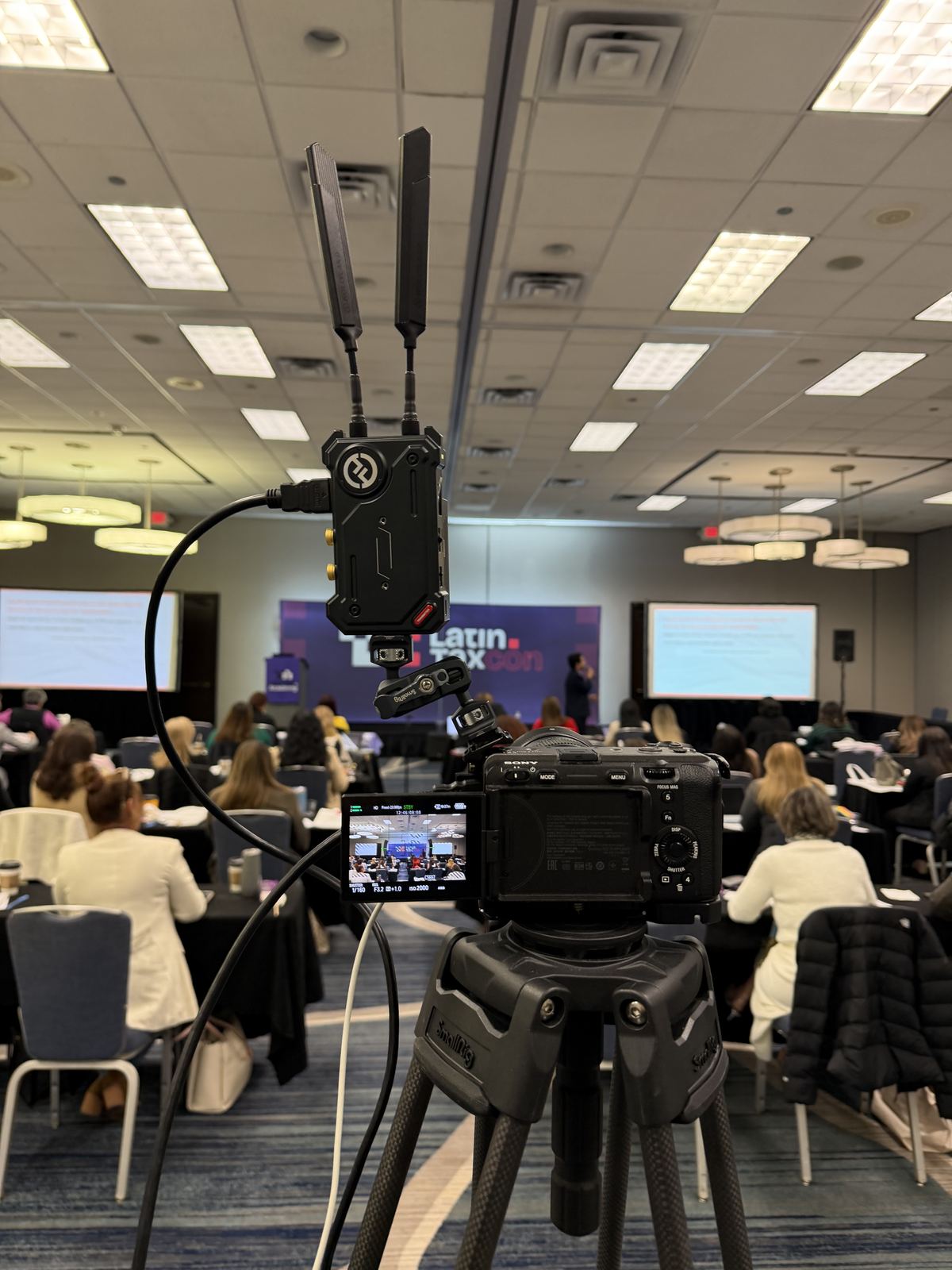
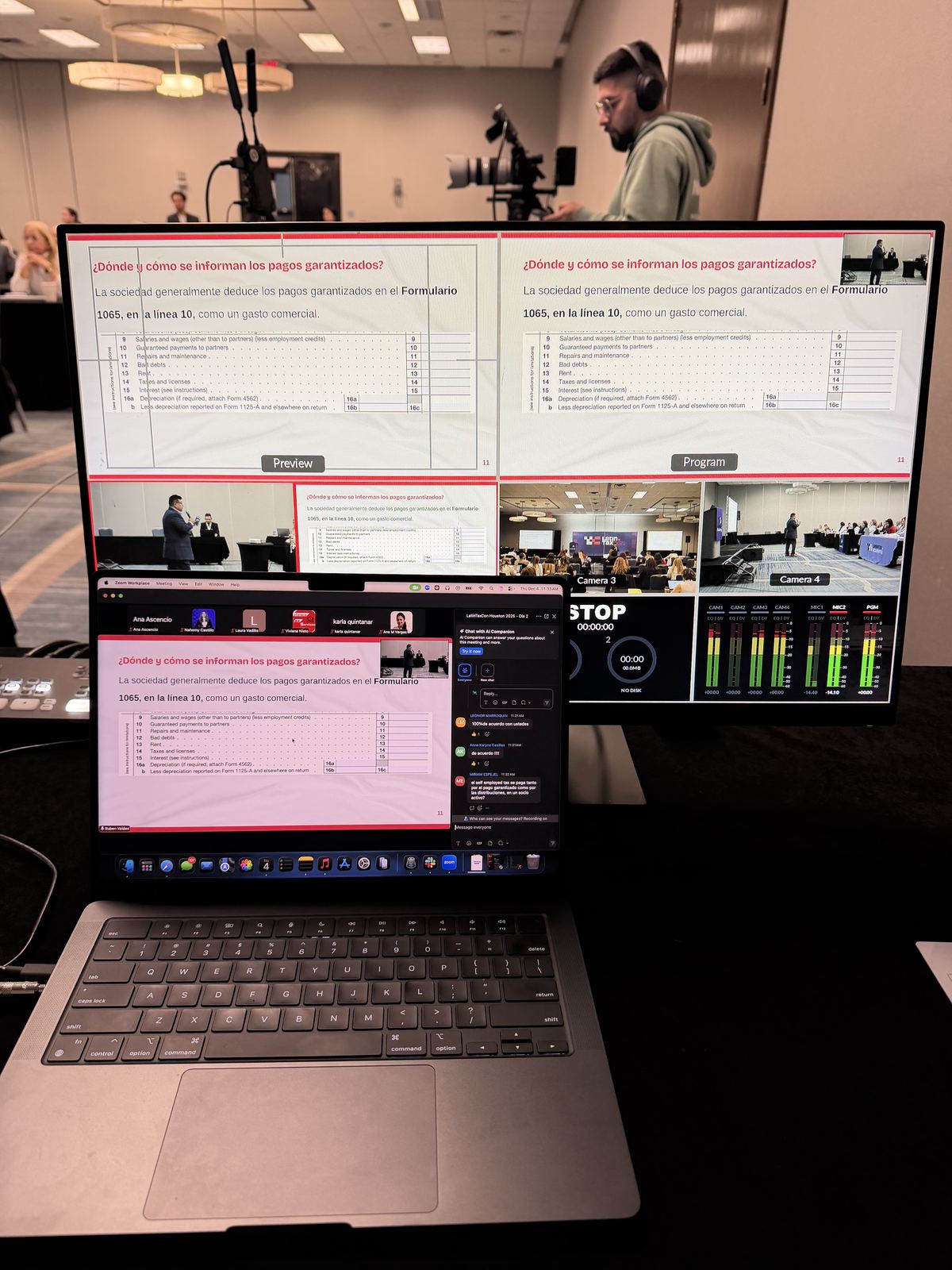
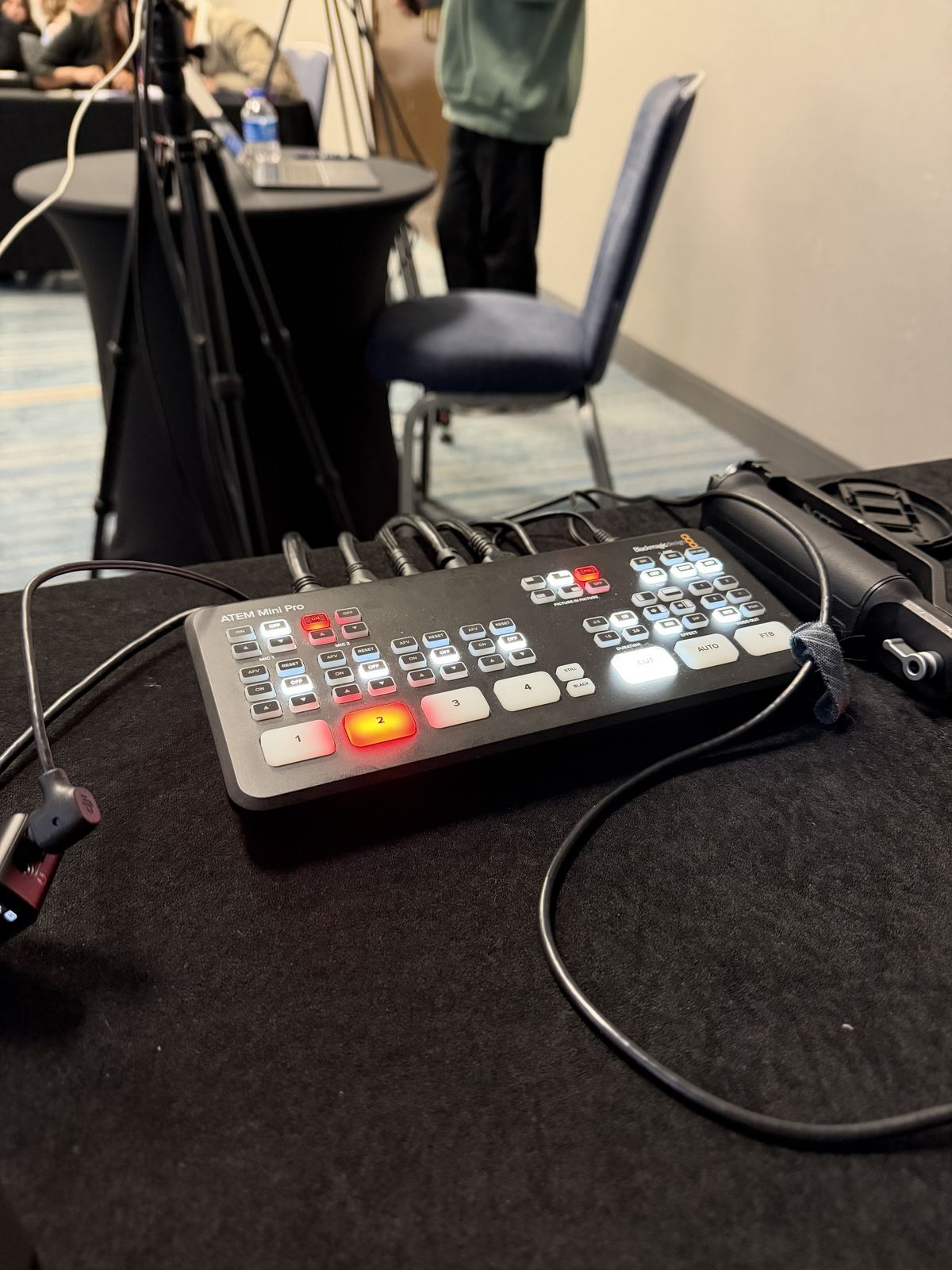
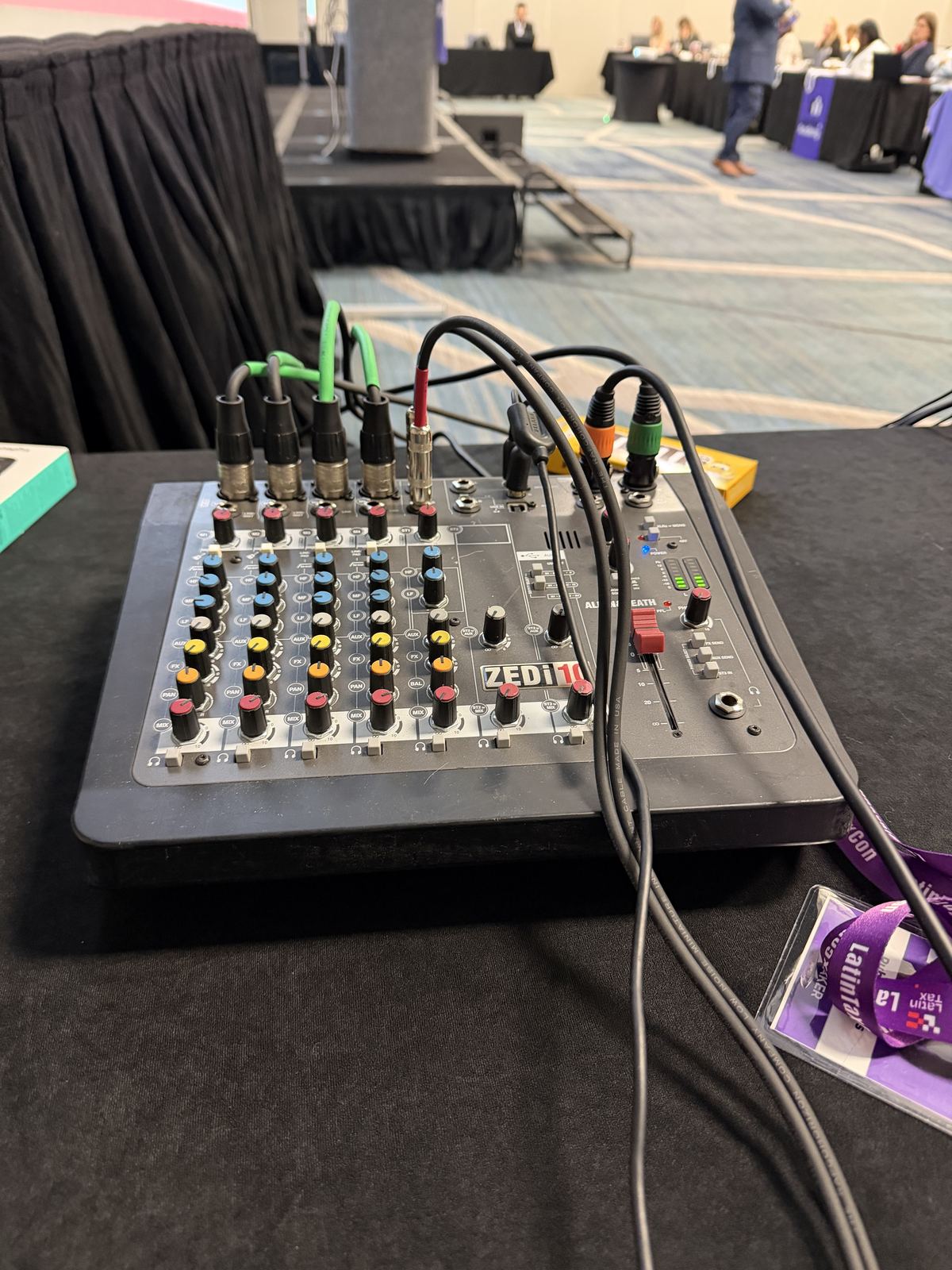
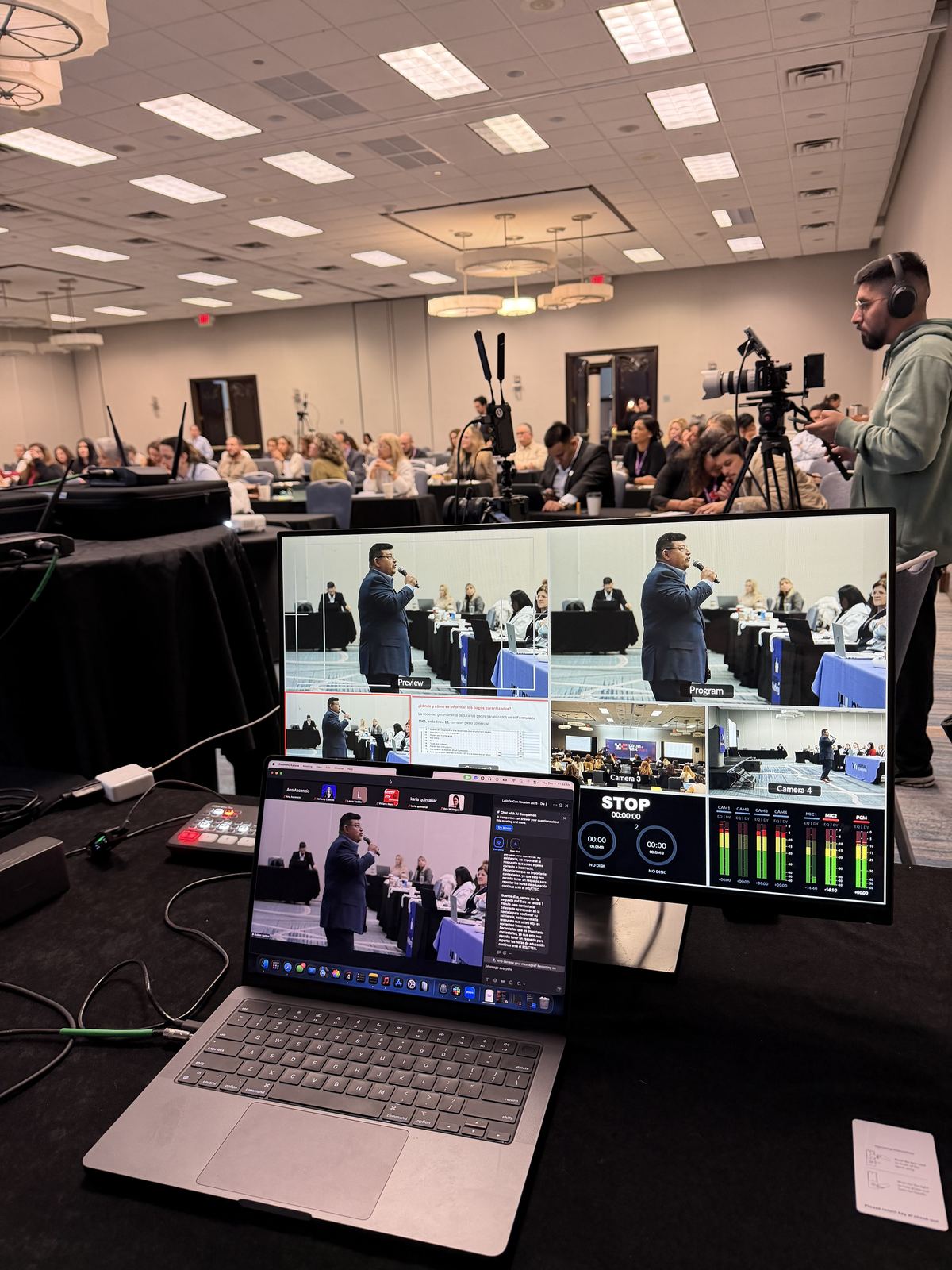
First: What You're Already Spending
Before we talk about content, let's be honest about the full picture of what a mid-size conference investment actually costs:
- Booth / sponsorship fee: $5,000 – $50,000
- Staff travel (2–4 people): $2,000 – $8,000
- Hotel (2–4 nights per person): $1,500 – $6,000
- Staff time (prep + 3 event days): $4,000 – $15,000
- Booth materials + shipping: $1,500 – $8,000
- Branded swag + collateral: $1,000 – $5,000
- Entertainment / client dinners: $500 – $5,000
For a mid-size event, that's $40,000+ already committed. And here's the thing — that number is going out the door whether you document the event or not. Keep that in mind.
Now Add Documentation. Here's What It Produces.
If you hired individual vendors to produce each of these content assets separately, here's what the market charges:
- Long-form event recap (8–15 min, YouTube-ready): $4,000 – $8,000 each → $6,000 value
- Short-form social cuts (12 clips, all platforms): $300 – $600 each → $5,400 value
- Speaker spotlight clips (4 clips, LinkedIn): $500 – $900 each → $2,800 value
- Strategic content planning + shot list: → $2,000 value
- 60-day posting calendar with captions: → $1,200 value
- Organized raw footage library: → $1,500 value
- SEO blog recap for your website: → $800 value
- Email content for 3 campaign sends: → $1,800 value
Total asset value if hired separately: $21,500+
Professional event documentation — filming, direction, and post-production — runs $5,000 to $8,000.
That's a 2.7x return on assets alone, before a single lead is generated or a single deal closes.
But We Haven't Talked About Revenue Yet.
Let's be conservative. Let's say your 12 pieces of content over 90 days generate just one qualified lead. One.
Average B2B deal size: $25,000 – $150,000. Revenue from one closed deal: $25,000 minimum. Your documentation cost: $7,500. Return on that one deal: 3.3x to 20x+.
And that's the conservative case. Teams that document their events consistently report content driving multiple inbound inquiries per quarter — from people who weren't at the event, never heard of you before, and found you through a YouTube video or LinkedIn clip from a conference they didn't attend.
The Amplification Argument
Here's the framing that should change everything: the documentation cost doesn't add to your conference budget. It amplifies everything you already paid for.
Without documentation, your $40,000 conference investment expires in 3 days. You got 200–500 direct conversations at the booth. Then it's over.
With documentation, those same 3 days turn into 90+ days of content reaching thousands of people who weren't there — your existing audience, prospects in your pipeline, people who find you through search months later.
Cost per impression without documentation: $40,000 ÷ 500 conversations = $80 per impression.
Cost per impression with documentation: $48,000 ÷ 50,000+ impressions = under $1.
The Full Picture
Stack it all together and here's what proper event documentation actually produces against a $7,500 investment:
- $21,500+ in documented content assets
- $9,000 in team time saved (no scrambling for content for 90 days)
- $15,000+ in equivalent paid media reach
- $25,000+ from one conservative closed deal
- $3,000+ in future production savings (reusable footage library)
Total value created: $73,500+. Your investment: $7,500. Return: 9.8x minimum.
If a financial advisor showed you an investment with a conservative 9.8x return — with no additional risk because you were going to the conference anyway — you would wire the money today.
That's what professional event documentation is. The conference cost is sunk. The documentation is the multiplier.
How to Execute It
The system works in three phases:
Before the event: Build a shot list tied to deliverables, not moments. Every capture should be tagged to at least one finished asset before the camera rolls.
During the event: Capture in three layers simultaneously — long-form for YouTube, mid-form for LinkedIn and email, short-form for social. Every interview gets framed for all three.
After the event: Build the 60-day calendar on the flight home. When post-production delivers the assets, your team already knows exactly where each one goes. No scramble. No blank calendar. Just execution.
One conference. Two days of production. Three months of content. 9.8x return on a cost you were already paying.