The ABCs of OSS — trailer for the HeroDevs series we produce
The Problem with Expert-Led Content
Technical founders and subject matter experts make poor subjects for one-off video productions. They're brilliant on the topic, but without a defined format, the content is inconsistent — sometimes 12 minutes, sometimes 4, sometimes an interview, sometimes a tutorial. Audiences don't know what they're subscribing to.
The fix isn't better on-camera talent. It's better structure.
Building the Format First
Before we filmed a single frame, we developed series formats that could run repeatably — each one engineered for a different job in the funnel. Three emerged from conversations with the HeroDevs team:
Engineers in the Wild (top of funnel) — a mock-documentary series following software engineers through the quirks and rituals of conference culture. Shareable, personality-driven, distinctly HeroDevs. Built to spread brand awareness to people who've never heard of the company, not to close deals.
ABCs of OSS (top of funnel) — an educational series breaking down open-source software concepts one letter at a time. Evergreen, searchable, genuinely useful to their developer audience. Engineered for discovery: every episode targets a concept developers actively search for.
Kid Mode to Code Mode (lead generation) — a two-layer CVE explainer series: a plain-language "Kid Mode" story that makes a vulnerability legible to anyone, followed by a technical "Code Mode" deep dive engineers can act on. Tied directly to live CVE release cycles, so each episode captures high-intent search traffic from security and engineering teams who need to evaluate exposure right now. This is the series that converts viewers into pipeline — the hand-raiser that earns the sales conversation.
Three formats, three roles. Engineers in the Wild brought the audience in. ABCs of OSS kept them subscribed. Kid Mode to Code Mode turned them into leads. Each one had defined episode lengths, consistent visual style, and clear production requirements. Once the formats existed, execution became a system.
Shooting for Volume, Not Perfection
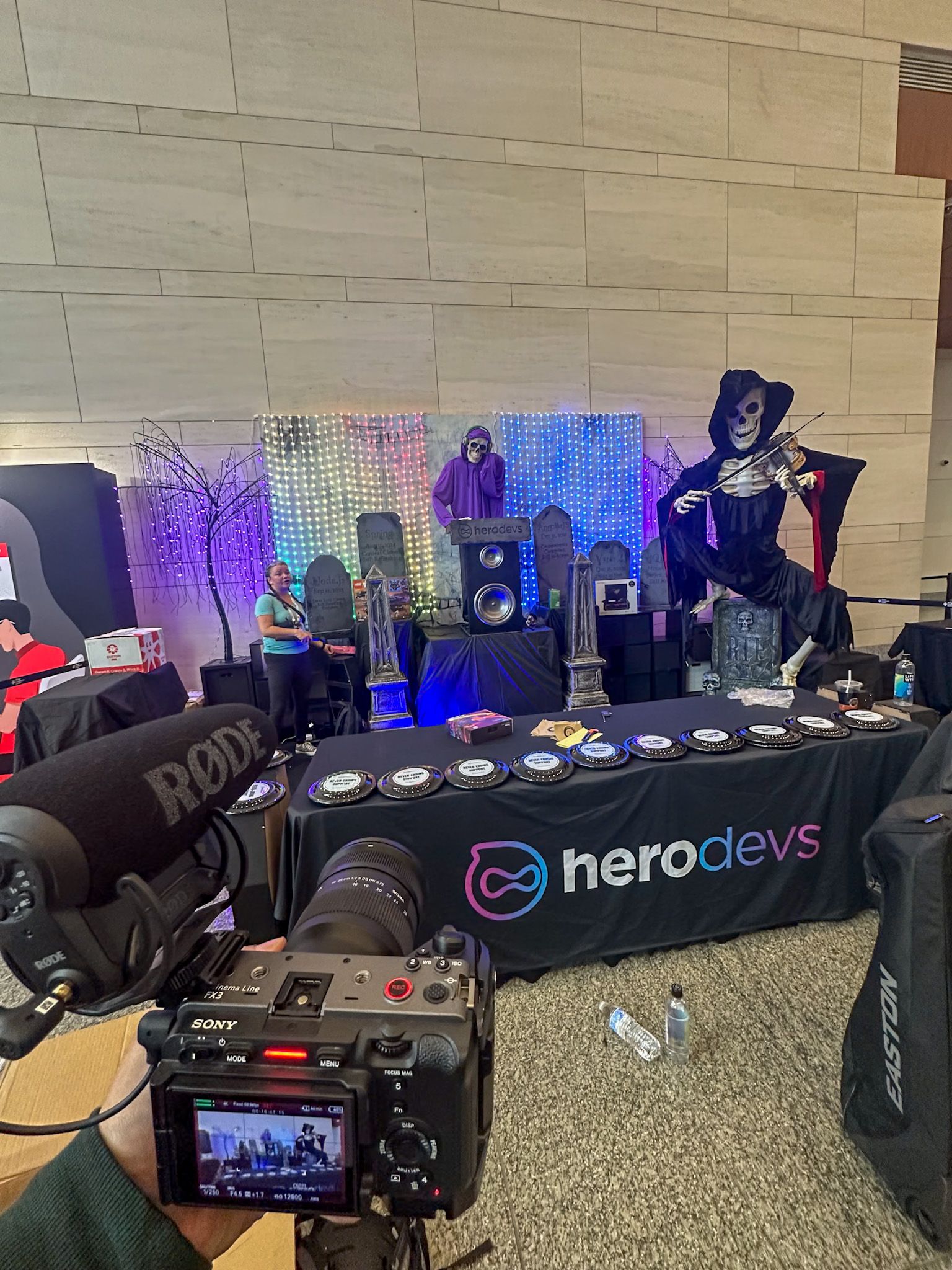
One of the biggest unlocks for HeroDevs was learning to shoot in batches. We'd spend two days covering a conference — All Things Open, Community Over Code, React Conf — and walk away with enough raw material for six to eight episodes. The post-production workflow was standardized, so turnaround was fast and predictable.
This is the difference between content that compounds and content that costs. When production is repeatable, your cost per episode drops with every cycle. When distribution is scheduled, your audience grows with every episode.
What the Channel Became
The HeroDevs YouTube channel went from a dormant library to an active brand platform. New episodes gave the sales team a reason to reach out to prospects. Conference content kept them visible between product launches. The channel became part of the business — not just a marketing experiment someone ran once.
The lesson for B2B brands: YouTube growth is almost never about a single viral video. It's about building a system that publishes consistently, reaches the right people repeatedly, and creates a brand presence that compounds over time.