The Test
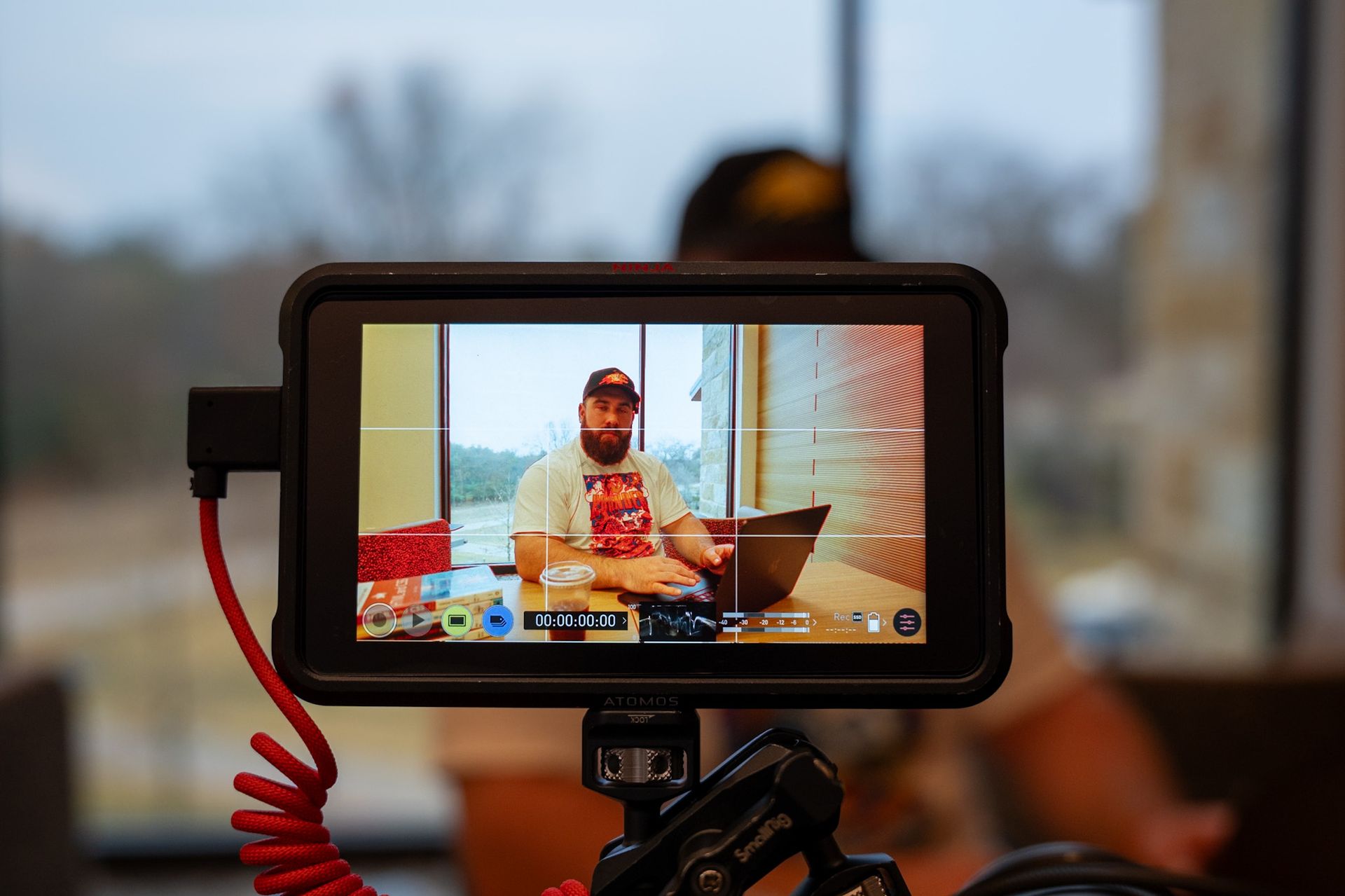
20 video shots in four categories (interview, product, environmental, narrative) were graded three ways: by a mid-tier freelance colorist (6–10 years experience), by a senior colorist (15+ years, feature film credits), and by AI tools (DaVinci Neural Engine 20 + Colourlab.ai's auto-grade + shot-match).
All three grades were shown side-by-side without labels to a 300-person viewer panel. Panelists rated on four dimensions: visual appeal, mood match to content, consistency across shots, and "which looks most professional."
The Results
The AI grade won on 16 of 20 shots. The mid-tier colorist won on 2. The senior colorist won on 2.
When we restricted the comparison to mid-tier-vs-AI, AI won 18 of 20. When we restricted it to senior-vs-AI, senior won 12 of 20 — still a win for the human, but a much smaller margin than the mid-tier result. The ceiling for color-grading craft is still human. The floor has been rebuilt.
The AI's weakness was consistent: it couldn't make brave tonal choices. It averaged toward the safest grade every time. Senior colorists reliably made choices the AI wouldn't — and when those choices worked, they elevated the piece noticeably. When the AI's consensus grade was the right choice — which it was 80% of the time — the human couldn't tell it from their own work.
Why Colorists Don't Publish This Data
The people best-positioned to run this test are freelance colorists and post houses. They won't run it, because the incentive is inverted. The senior colorist's freelance rate depends on the story that AI "can't do real color work." Running a blind test and publishing the result damages their own book.
That's not a conspiracy. It's just who has the motive to publish. We ran the test because we hire colorists for retainer work, and the economic decision matters to us. Our own incentive is to find out the truth and make the right hiring calls.
Who Is Actually Safe
Top 20% of colorists. People with feature-film, high-end commercial, or broadcast-episodic credits. The ones who make brave tonal choices that elevate the piece in specific, hard-to-describe ways. Their rates are going up, not down, because the work they do isn't replicable.
The other 80% — which is most of the freelance color market in North America — are in trouble. Their work was "competent and consistent," which is exactly what AI tools reliably match now. Rates for that tier are dropping fast and will continue.
The Honest Advice to Mid-Tier Colorists
Two paths work in 2026.
Path 1: skill up into the top 20%. That means deep study of great grades, relationships with DPs and directors who push brave choices, portfolio rebuilt around work that AI can't average toward. It's a 2–3 year career pivot and most colorists won't do it.
Path 2: pivot into AI-orchestration. The tools are getting better, but they need an operator who knows color. Setting up Colourlab.ai for a series, building custom LUT libraries, running quality control on AI grades, handling the edge cases. That's a real job and it pays.
The path that doesn't work is continuing to bill mid-tier color grading at mid-tier rates. Those rates are gone, and the work is being done faster and cheaper by software.
What This Means If You're Buying Production
If you're commissioning video work in 2026, stop paying premium rates for mid-tier color grading. Either buy the top 20% (worth the rate, not replicable) or buy AI-assisted grading (fraction of the cost, 80% as good). The middle is paying premium for the tool-replicable version of the work.
The agencies that are honest about this will tell you which shots in your deliverables need the top-20% hand and which don't. The agencies that aren't honest will bill you premium rates across the board and use AI tools in post while claiming otherwise. That's a real pattern in the market right now and it's worth auditing.