Why format choice is the whole game
Video keeps earning its budget in B2B. Around 70% of B2B buyers watch video during the purchase decision, and the large majority of marketers report positive ROI from it (Wyzowl, 2026). The mistake is treating "video" as one thing. A founder clip and an onboarding walkthrough are as different as a billboard and an instruction manual. Pick formats by the job they do, not by what is easy to shoot.
The seven below cover the full SaaS funnel, from a buyer who has never heard of you to a customer you are trying to retain. You do not need all seven on day one. You need the two or three that match where your funnel actually leaks, then you add from there.
1. Founder-led short-form
Short, opinion-led clips with the founder on camera. The job is top-of-funnel trust at scale, so that buyers feel they already know your company by the time they hit the site. Runs on LinkedIn, YouTube Shorts, and X at 60 to 90 seconds. Use it when your founder has a point of view worth hearing. Skip it if the founder will not commit to a steady cadence, because one-off founder clips do nothing.
2. Product demo and explainer
The asset that turns "what does it do" into "I get it." Scripted, blending screen capture and motion graphics, sometimes a presenter. The job is shortening time from interest to activation. Put it on the homepage, pricing page, and paid landing pages, where embedded video reliably lifts conversion. Use it for any product that is not instantly obvious. Get the tier right so you do not overpay, which is its own topic in our demo video cost breakdown.
3. Recurring YouTube series
A weekly or biweekly show built around a theme your buyers already search for. The job is durable organic reach and authority that compounds month over month. This is the highest-ceiling format and the one most teams quit too early. Use it when you can sustain a real cadence for at least six months. Skip it if you want results in three weeks, because the series math only works over quarters.
4. Customer testimonial and case study video
A real customer telling a specific before-and-after story. The job is bottom-of-funnel proof that closes deals sales is already working. One credible customer on camera outperforms a page of written quotes. Use it for your strongest accounts and your most competitive deals. Skip the generic "we love this product" testimonial, which persuades no one. The story has to carry a concrete outcome.
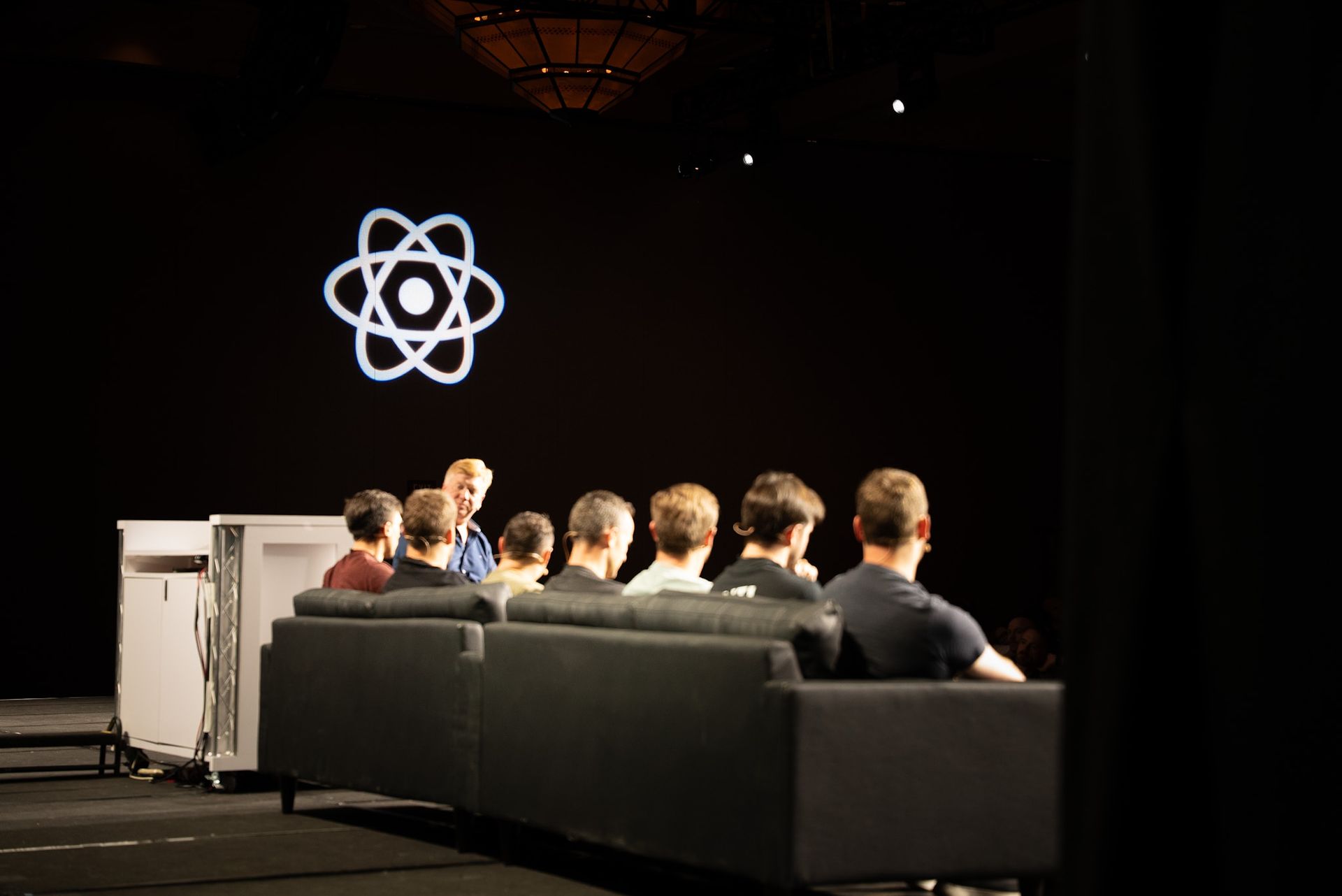
5. Conference and event recap
Capture from events you are already paying to attend, cut into a recap plus a series of clips. The job is turning a one-time spend into months of content and social proof. The economics are excellent because the hard cost, being there, is already sunk. Use it whenever you sponsor or speak. Skip it only if no one from your team will be on camera or on stage.
6. Product onboarding and lifecycle video
A small library of short walkthroughs that get new users to value and reduce support load. The job is activation and retention, which is where SaaS economics actually live. These are cheap to produce and pay back in lower churn and fewer tickets. Use it for every product with a learning curve. There is almost no SaaS company that should skip this one.
7. Live stream and webinar
Real-time sessions, product launches, office hours, or expert panels, with the recording repurposed afterward. The job is mid-funnel engagement and a reason for prospects to show up live. The recording then feeds clips for months. Use it when you have a real audience or a launch moment. Skip the standing monthly webinar that three people attend, which costs more attention than it returns.
The three formats to skip
First, the high-gloss brand film with no distribution plan. A beautiful two-minute anthem that lives only on an About page is the most common way SaaS teams burn a video budget. Second, AI-avatar presenters for trust-sensitive, pipeline-facing content, where a synthetic spokesperson quietly costs more credibility than it saves in production. Third, the one-off explainer with no derivatives, which gets quoted at project rates, ships as a single file, and goes stale in a quarter.
The pattern across all three is the same. They optimize for producing a video instead of running a system. The formats worth funding all share the opposite trait: each one cuts into multiple assets and keeps working long after the shoot.
How the seven formats compound
The reason to run formats as a set rather than a list is that they feed each other. A recurring YouTube series is a content engine: every episode is also raw material for founder-led short-form, a clip for sales outreach, and a segment you can re-cut when a customer story or a launch needs context. One shoot day, run well, should leave you with a master plus a handful of platform-native derivatives, which is where the real return on a video budget comes from.
That compounding is also what separates a video program from a pile of one-off projects on the budget. A standalone explainer gets quoted at project rates, ships once, and goes stale. The same spend inside a cadence keeps producing, because the team already has the footage, the formats, and the distribution plan in motion. This is the core argument of the SaaS video production guide, and it is why the formats above are framed as a system rather than a menu.
Run two or three formats badly and you get noise. Run two or three formats on a tight cadence, each cut into derivatives, and you get an owned-media asset that compounds while your competitors are still commissioning their next one-off.
How to sequence them
Start with the format that matches your biggest funnel leak. If buyers do not know you, start with founder-led short-form. If they visit and bounce, start with a demo. If they activate but churn, start with onboarding. Add a recurring series once one format is running cleanly, because the series is the engine that makes everything else cheaper to feed. Run the whole thing as one SaaS video production cadence rather than seven disconnected projects, and the per-asset cost drops while the output goes up.