What actually happened
The length curve moved fast. The average B2B video ran about 168 seconds in 2024 and sits near 76 seconds in 2026, according to podcastvideos.com. That is more than a 50 percent compression in roughly two years.
At the same time, the surface changed. YouTube rolled out a dedicated Shorts content-type filter in early 2026, which means a Short can now rank in search independently from your long-form video, per vidIQ. Shorts now draw about 200 billion daily views, up from roughly 70 billion in early 2024.
LinkedIn moved the same direction. In 2026, short vertical video gets an extra distribution boost, videos under 30 seconds post far higher completion rates, and AI-generated content with no personal voice is now actively detected and suppressed, according to growleads.io.
So three platforms independently rewired around short vertical video inside the same window. The demand signal is not subtle.
Worth naming what did not change. None of these platforms rewarded volume for its own sake. YouTube still measures whether people finish the Short, LinkedIn still rewards dwell time and a recognizable human, and the search surface only helps if the clip answers a real query. The compression is an opportunity to say one sharp thing well, not license to flood the feed.
The compression is real. The standalone-clip reflex is the trap.
The trap is to read that news and reach for the obvious move: spin up a Shorts channel, brief a creator, and shoot a batch of standalone clips every week to feed the machines.
That reflex is where the money leaks out. The compression is worth chasing, and the independent Shorts ranking is a genuinely new search surface. None of that is in dispute here.
The trap is treating short-form as a production format instead of a distribution format. A Short is not a thing you make. It is a thing you cut. When you treat it as a thing you make, you stand up a second production line that competes with your real one for budget, calendar, and attention, and you pay full freight every time.
The arbitrage only exists because the expensive part of video, the thinking and the capture, can be amortized across many outputs. Produce each clip standalone and you have quietly opted out of the arbitrage while keeping all the work.
The data: 8 to 12 clips, or 3x the cost
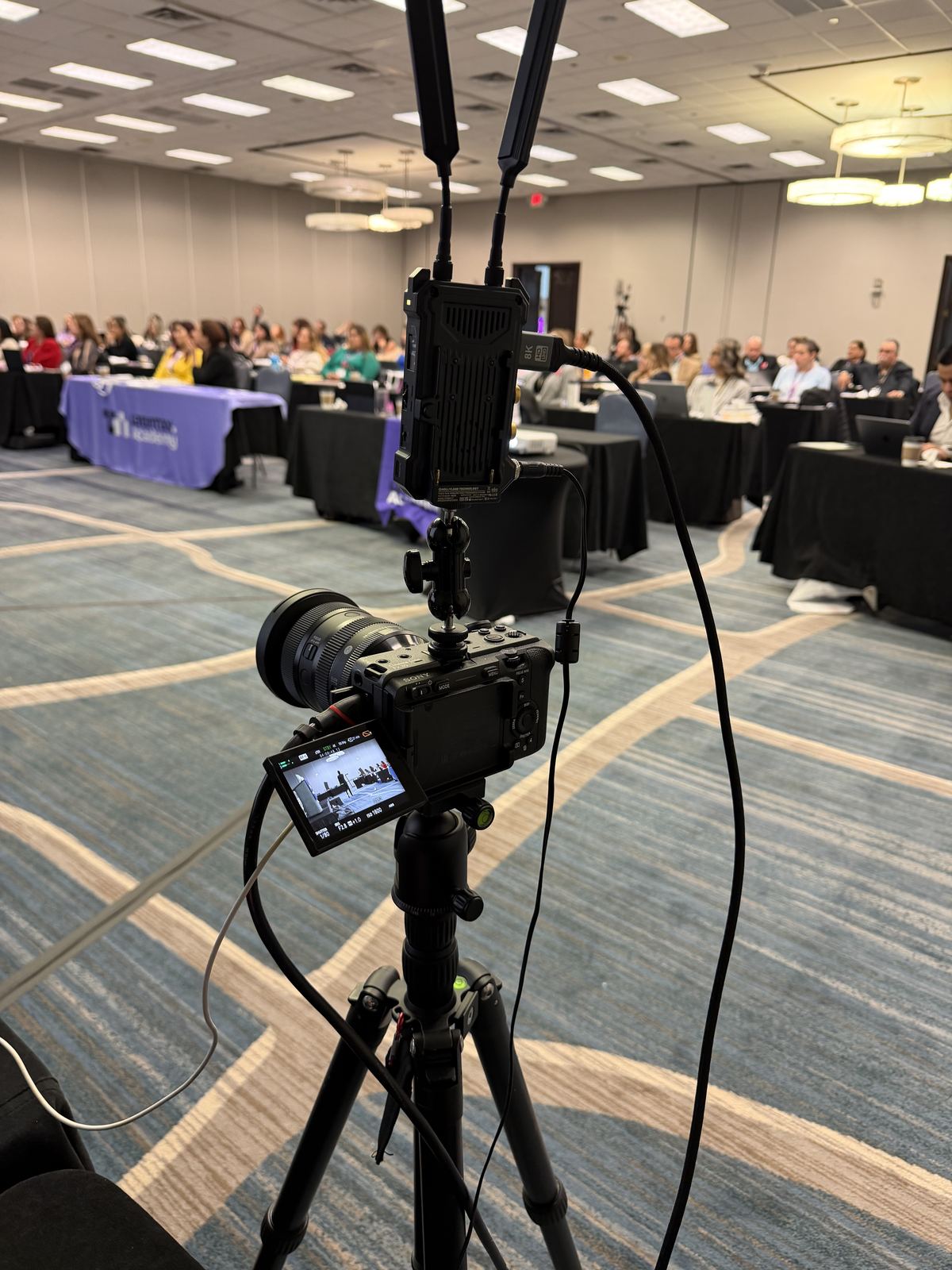
In our retainer book, the clients who win short-form are not the ones producing standalone clips. They are the ones cutting eight to twelve short assets from a single long-form capture.
That is not a creative preference. It is a cost structure. The long-form shoot already paid for the room, the lighting, the talent's time, and the strategic thinking about what to actually say. Every Short cut from it inherits all of that for the marginal cost of an edit.
Our production time-study puts a shorts-only client at roughly three times the cost per published asset versus a long-form-spine client, because every standalone short re-pays its own setup, scripting, and shoot day. You are buying the same setup over and over to produce one deliverable at a time.
The platform math compounds the point. With Shorts now drawing about 200 billion daily views and ranking independently in search, per vidIQ, the reach upside per clip is real. The question is only whether you captured that reach at 1x cost or 3x. Same clip, same view count, very different invoice.
The math is not exotic. If a single capture day costs the same whether you pull two clips or ten, then every additional clip you cut drives the cost per published asset down. The shorts-only team inverts that. They pay for a fresh setup, a fresh brief, and a fresh shoot every time they want one more clip, so their cost per asset never falls. Same output, three times the bill, quarter after quarter.
The steelman: some great shorts are shot native, and isn't long-form dying?
The strongest case against the spine goes like this. The best vertical creators shoot native. They write for the format, frame for the phone, and a clip carved out of a horizontal interview always looks a little secondhand next to that. And if the average video is collapsing toward 76 seconds, isn't long-form the dying asset you should stop investing in?
Both points have teeth. Native vertical does often outperform a lazy crop, and yes, fewer people will sit through a 20-minute talking head than did in 2021.
But notice what the spine actually is. It is not a finished long-form video you are begging people to watch. It is a capture session, a block of structured time where a smart person says true things on camera. Whether the polished long cut gets a million views is almost beside the point. The spine's job is to generate raw material at high density so the clips are cheap.
And the native-vertical objection mostly argues for better cutting, not standalone shooting. Frame the capture knowing it will be cropped, shoot a few pieces to camera in vertical during the same session, and you keep the native feel without standing up a second shoot day. The compression toward 76 seconds is exactly why the spine matters more, not less. Shorter clips mean you need more of them, and more of them is precisely what a spine produces cheaply.
There is also a quieter benefit the native-only crowd misses. A spine forces a point of view. When you sit a smart operator down for a structured capture, you get arguments, stories, and specifics that a person improvising standalone clips on a phone almost never reaches. The clips are not just cheaper. They tend to be better, because they were cut from a real conversation rather than performed into a ring light.
What to do Monday
Start by naming your spine. Pick one recurring long-form capture, a founder interview, a customer teardown, a product walkthrough, and treat that shoot day as the engine that feeds everything downstream. Nothing short-form gets produced outside of it without a reason.
Then set a cutdown ratio and hold the line. If a single capture is not yielding eight to twelve usable short assets, the problem is upstream in how you are running the session, not in the editing. Brief the conversation to produce self-contained moments, not one continuous argument.
Keep a human voice on LinkedIn specifically. Because the 2026 algorithm actively suppresses AI-generated content with no personal voice, per growleads.io, the clips that carry a real founder or operator on camera are the ones that travel. Do not launder your spine through a faceless caption generator.
Audit your last quarter of short-form too. Line up every clip you published and trace it back to its source. If most of them were one-off shoots rather than cuts from a handful of captures, you have found the leak, and you have also found the easiest cost reduction available to you this year that does not involve publishing less.
Finally, separate the budget conceptually. Pay for capture, not for clips. When you price the shoot day as the asset and the cuts as nearly free byproducts, the 3x leak closes on its own, and the arbitrage starts working in your favor instead of against it.
The bottom line
The length compression and independent Shorts ranking are a real opening. But an opening is only an arbitrage if you exploit the price gap, and the price gap lives in the spine. Cut from one and short-form is nearly free reach. Produce standalone and you are paying 3x to arrive at the same place.